
Dr. Elder Granger
Chief Medical Advisor
About
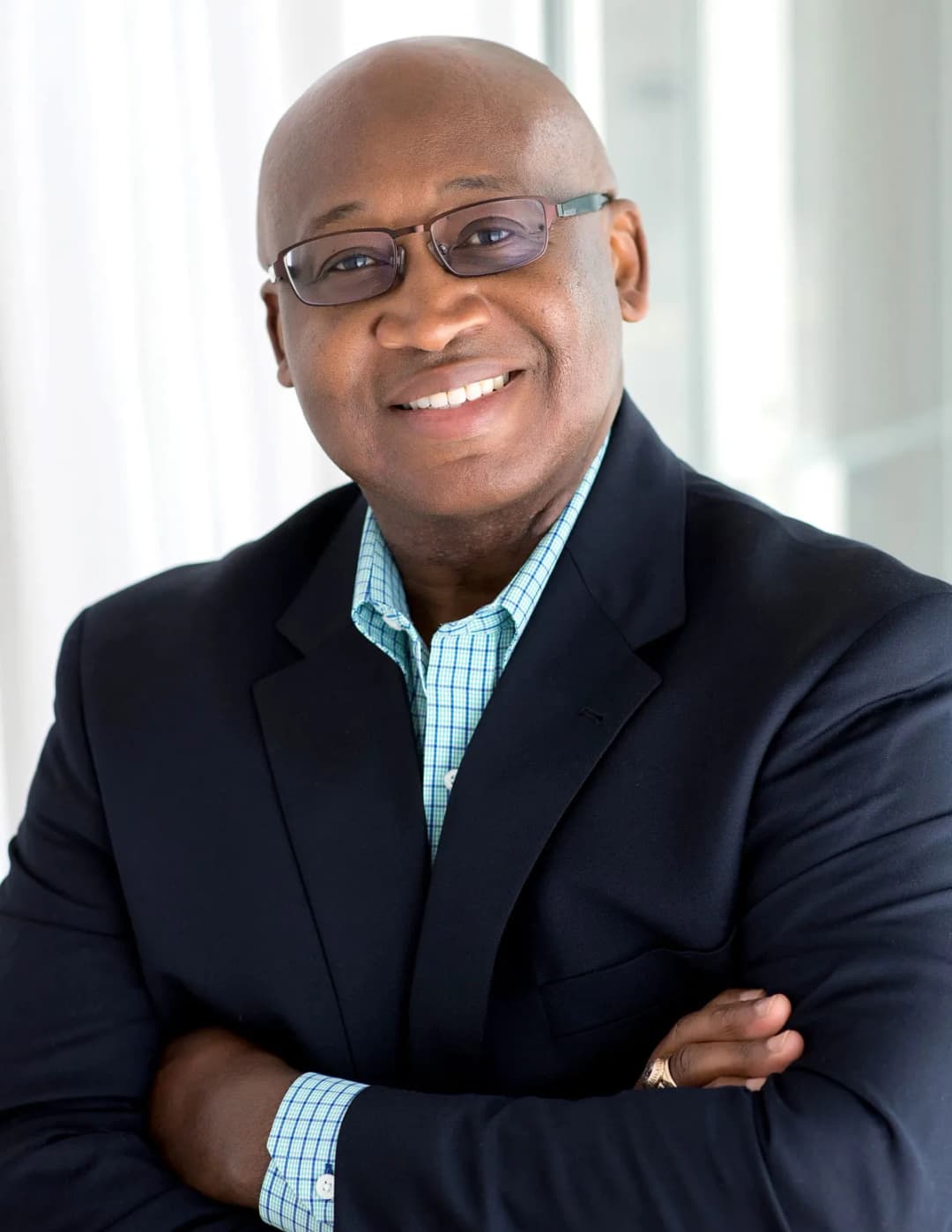
Dr. Elder Granger is Chief Medical Advisor at MedSync Corp. A retired Major General, he served 37 years in the U.S. Army Medical Department, beginning as a combat medic and rising to lead some of the largest health systems in military medicine.
As Deputy Director and Program Executive Officer of the TRICARE Management Activity, he was the principal advisor to the Assistant Secretary of Defense (Health Affairs) on DOD health plan policy and performance. He led a staff of 1,800 in planning, budgeting, and executing a $22.5 billion Defense Health Program, responsible for healthcare for 9.2 million Uniformed Service members, their families, and retirees worldwide.
Before that, he commanded Task Force 44th Medical Command and served as Command Surgeon for the Multinational Corps Iraq, leading the largest U.S. and multinational battlefield health system in recent history. His assignments spanned every level of the Army Medical Department, including command of the Europe Regional Medical Command, Landstuhl Army Regional Medical Center, and Ireland Army Community Hospital.
Dr. Granger is board-certified in internal medicine, hematology, and oncology. He has served on the boards of Cigna, Better Therapeutics, Kaleo Pharmaceuticals, and Defense Logistic Health, and was honored by the National Association of Corporate Directors as a 2022 Top 100 Director. His decorations include the Defense Superior Service Medal, the Legion of Merit with three oak leaf clusters, and the Bronze Star Medal.
He earned a Bachelor of Science degree from Arkansas State University in 1976 and a Doctor of Medicine degree from the University of Arkansas School of Medicine in 1980. He completed a residency in Internal Medicine in 1983 and a fellowship in Hematology-Oncology in 1986 at Fitzsimons Army Medical Center, and in 2009 received an honorary Doctor of Science degree from Meharry Medical College.
Dr. Granger joined MedSync as Chief Medical Advisor in mid-2025. The problem MedSync solves, clinicians making decisions without the full patient story, is one he saw across his career in military and civilian medicine.
Ready To See The Whole Story?
Better information, and a clinical team that carries the work through.